You already do this work
You may already be caring for children, feeding families, growing food, teaching skills, or keeping the records that hold a community together — long before MamaDEX ever enters the picture. MamaDEX exists to strengthen and connect that work, not to teach it to you. Nothing here asks you to prove yourself before you are ready.
Does your work fit?
MamaDEX centres generally carry out some mix of six kinds of work. Not every centre does all six, and this is not a checklist you need to complete — it is simply here so you can recognise your own centre in it.
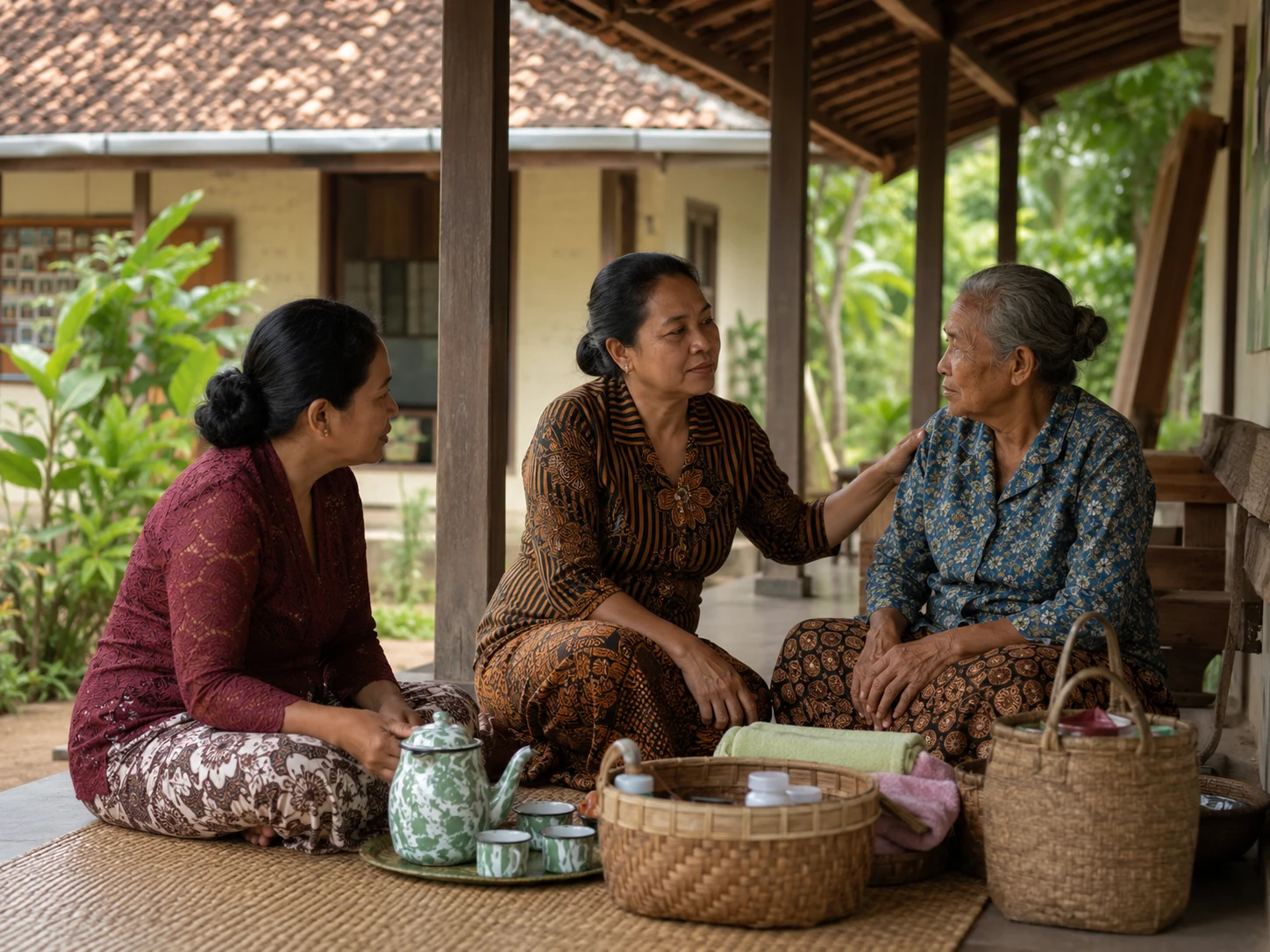 Care
What this includes
Care
What this includes
This may describe your centre if…
- You regularly care for children, older people, families or adults who need support.
- A responsible adult leads or coordinates the care.
- You can say roughly who attended and what care was provided.
Later, we may ask about…
- A simple attendance or activity record.
- Who is responsible for the care.
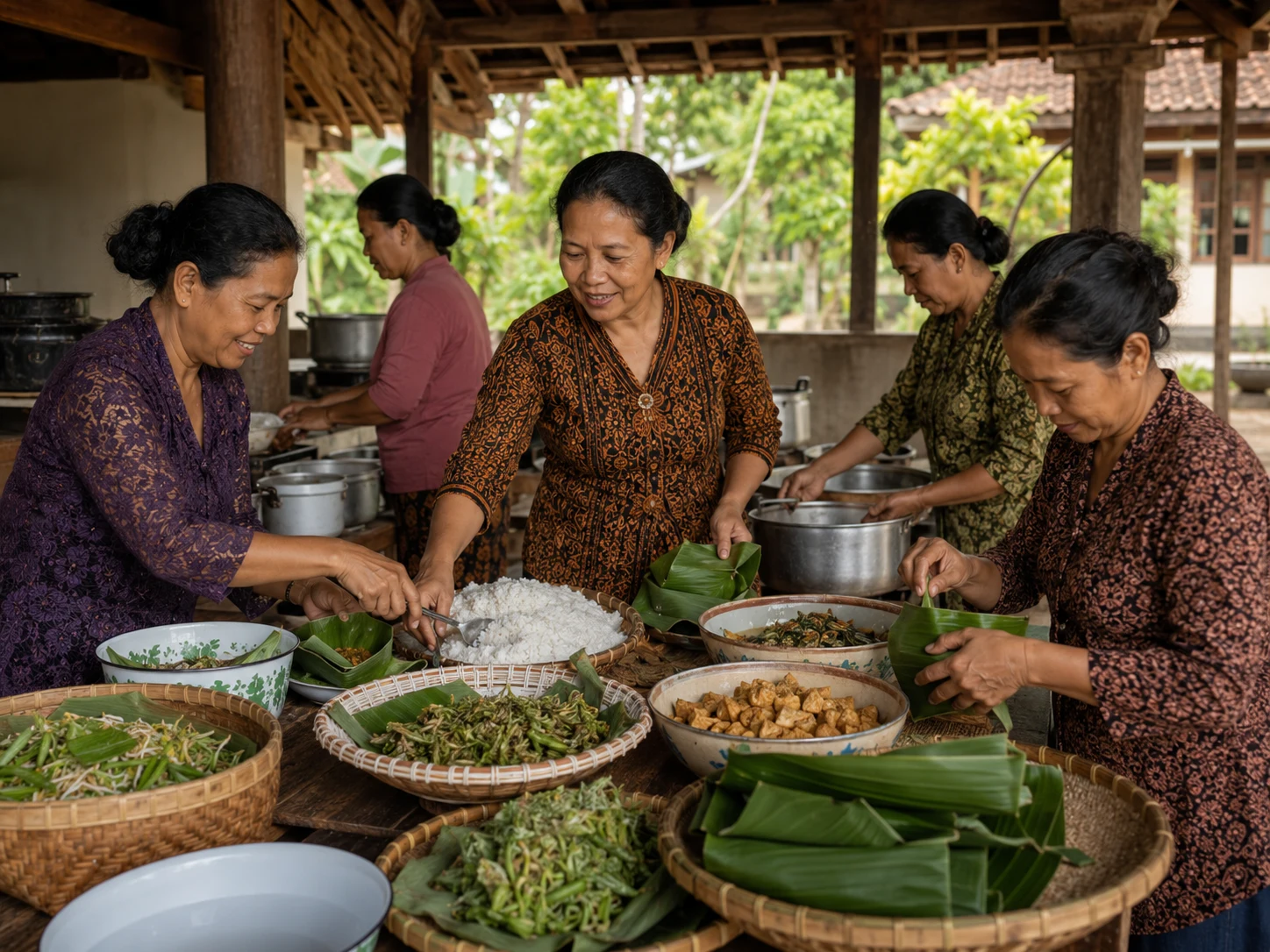 Food
What this includes
Food
What this includes
This may describe your centre if…
- You regularly prepare, cook or serve food for the community.
- The food activity is organised through the centre.
- You can roughly record what was prepared or served.
Later, we may ask about…
- The kitchen or food-preparation area.
- A simple record of meals or food prepared.
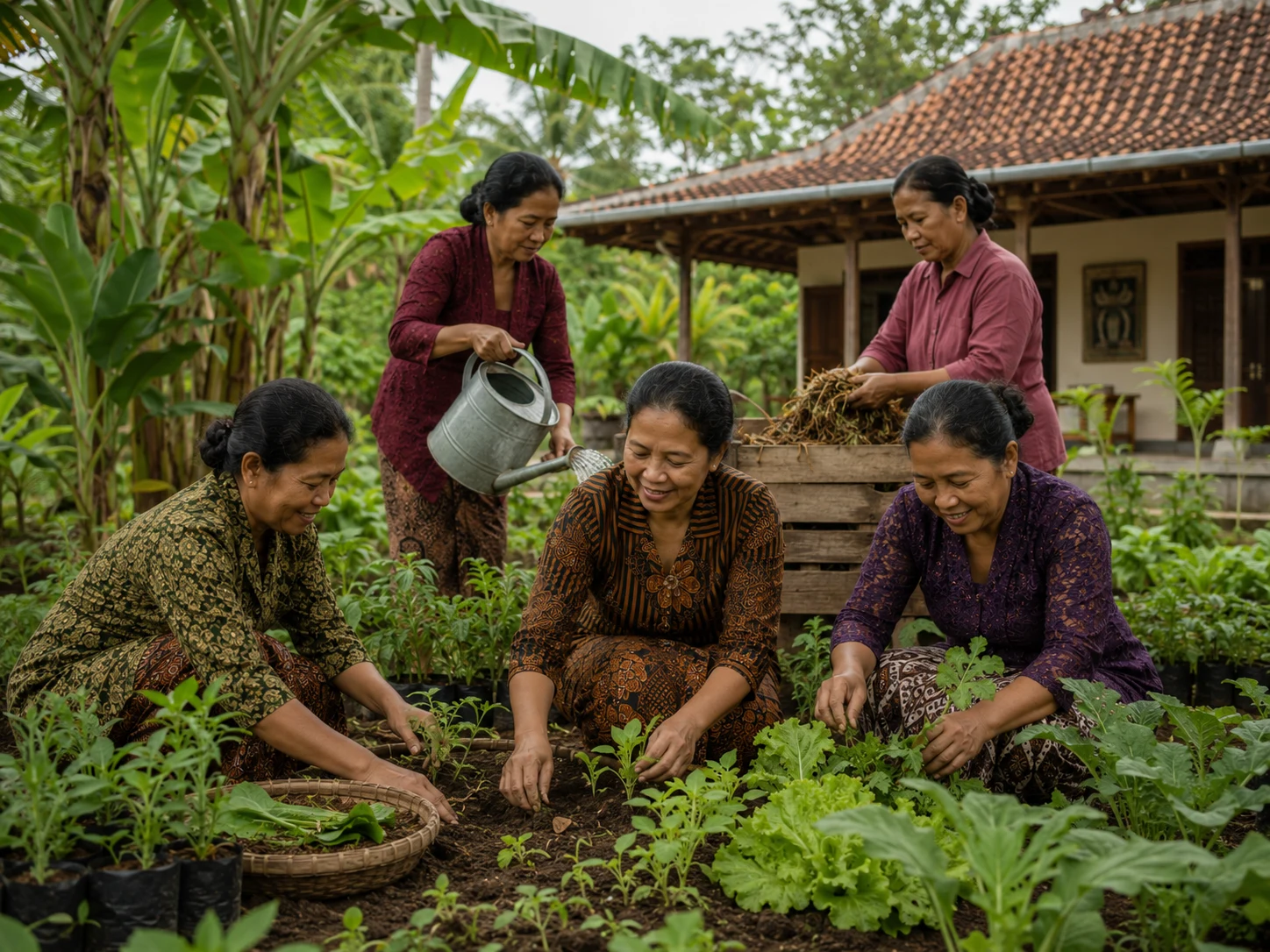 Growing
What this includes
Growing
What this includes
This may describe your centre if…
- You grow vegetables, herbs or other useful food.
- People connected to the centre help plant or care for it.
- The produce supports the centre or community.
Later, we may ask about…
- The growing area and what is planted.
- Who takes part in the growing work.
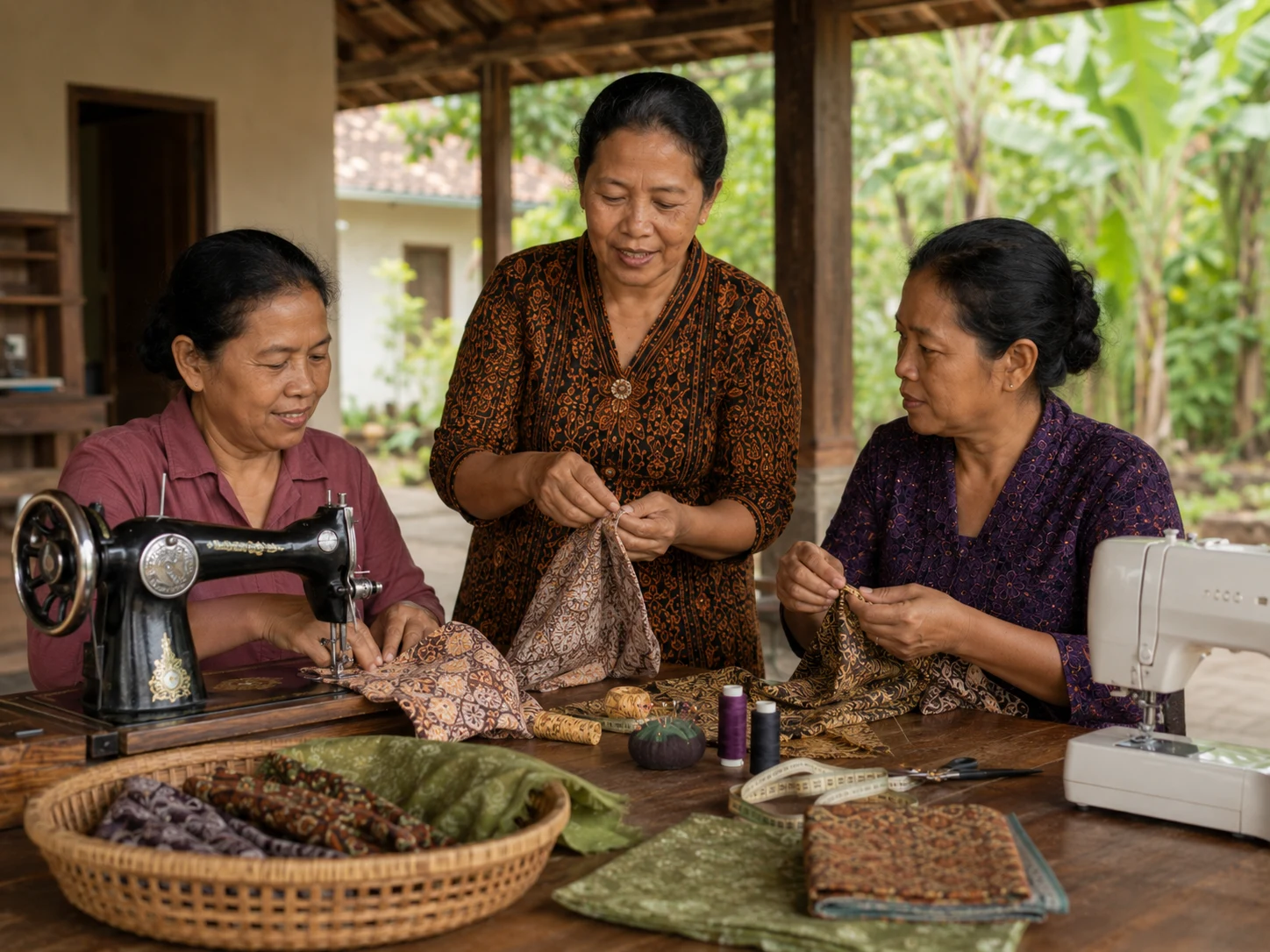 Skills
What this includes
Skills
What this includes
This may describe your centre if…
- Someone regularly teaches a practical skill.
- Community members actively practise the skill.
- The activity produces learning, useful work or something made.
Later, we may ask about…
- What was taught and who taught it.
- A simple attendance or activity record.
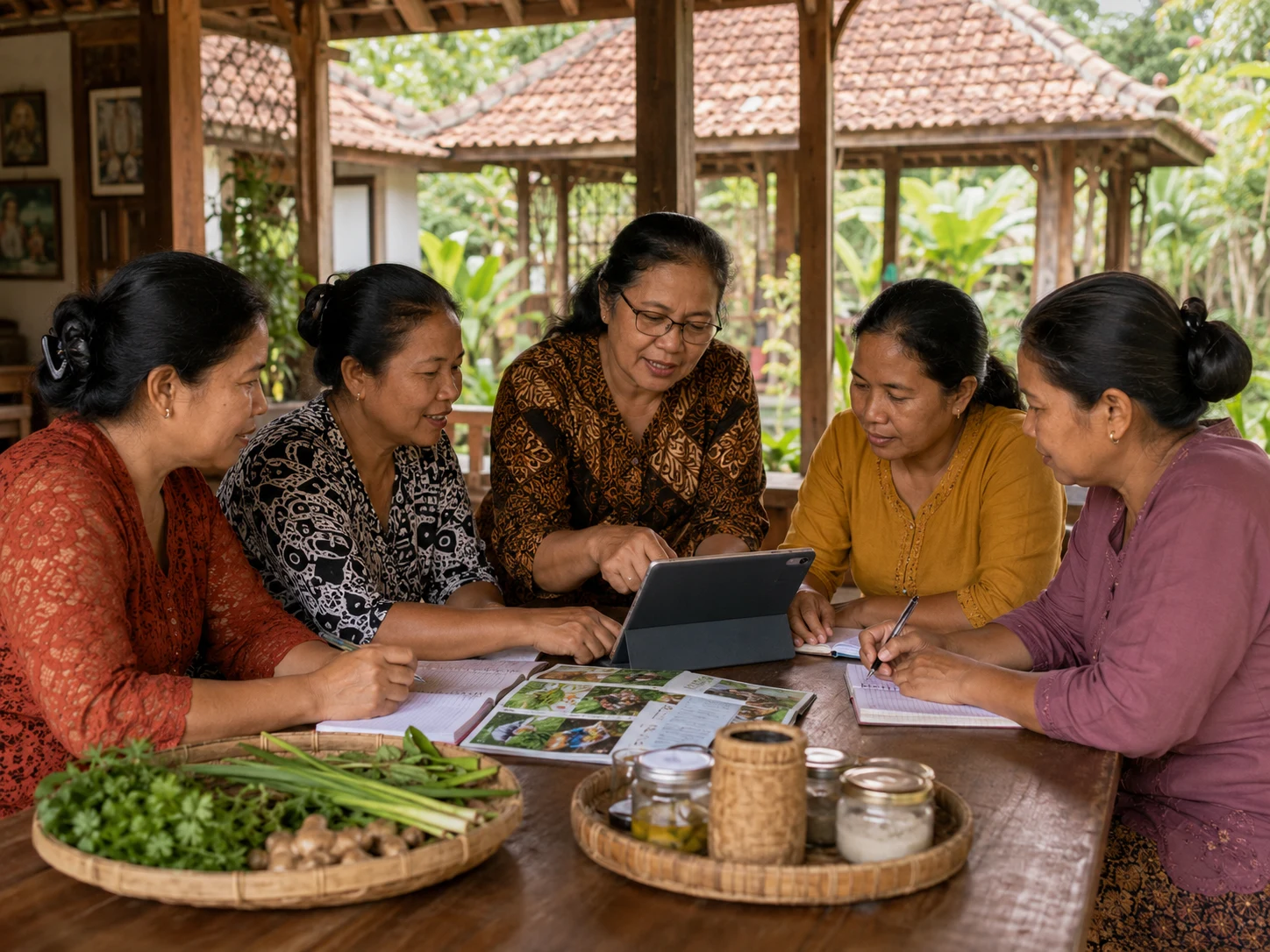 Learning
What this includes
Learning
What this includes
This may describe your centre if…
- People regularly learn together at the centre.
- Someone guides or facilitates the learning.
- Learning materials or simple digital tools are used.
Later, we may ask about…
- Who attends and when.
- The subjects or activities covered.
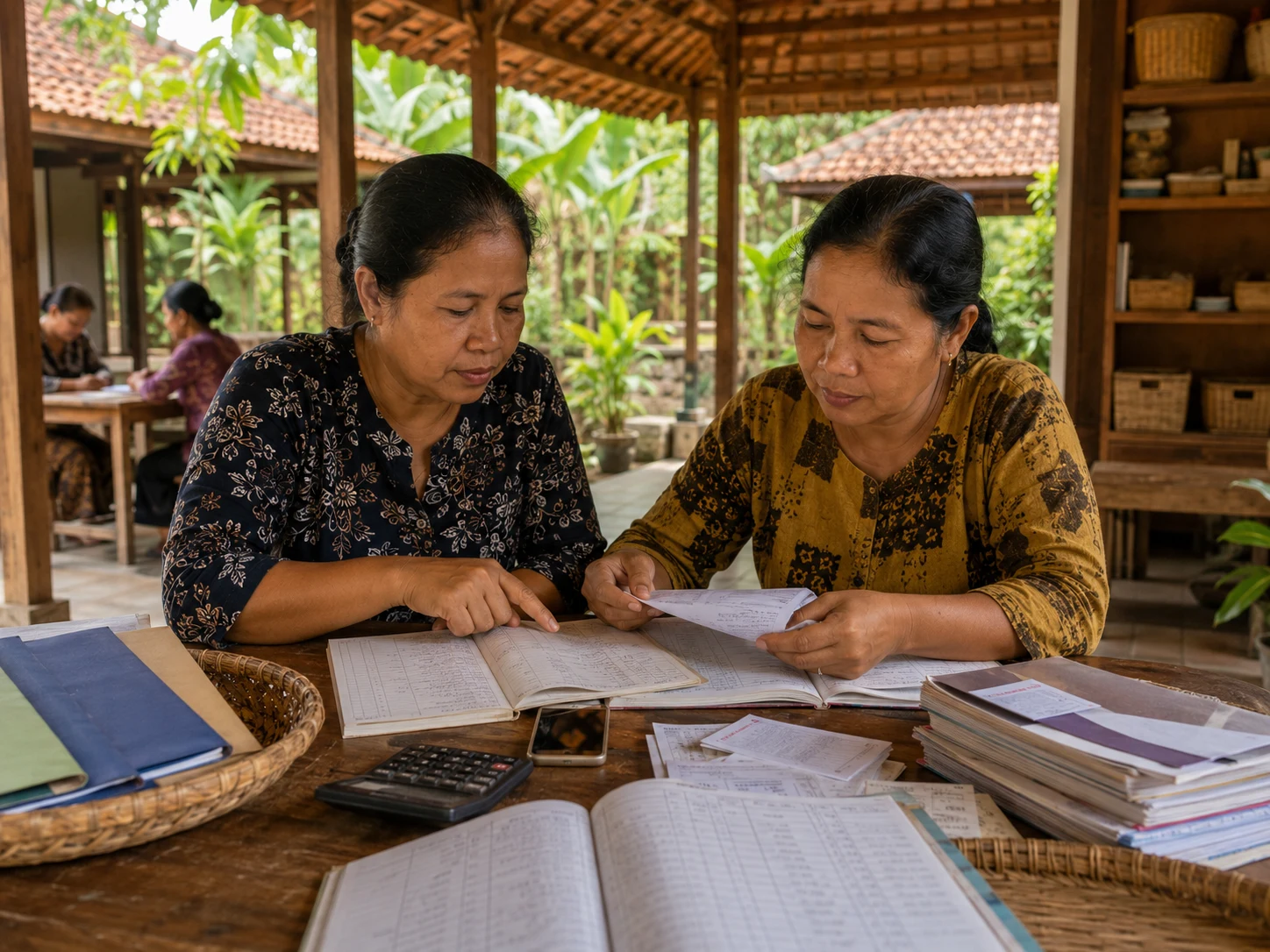 Records
What this includes
Records
What this includes
This may describe your centre if…
- You keep written or digital notes about the centre's work.
- The records are updated as the work happens.
- Someone is responsible for keeping them truthful and current.
Later, we may ask about…
- What kinds of records exist.
- How often they are updated.
Recognising your work here does not commit you to anything, and does not mean every part of it needs to already be in place.
Before you express interest
A simple check before you take the next step.
- Your centre is already doing meaningful community work.
- A recognised adult leads the work.
- Someone has authority to speak for the centre.
- You have permission or a legitimate right to use the place where the work happens.
- You keep at least simple, truthful records.
- You respect consent, dignity and safeguarding.
- You are willing to complete the assisted intake process.
Submitting or completing information does not mean that a centre has been approved.
What joining means
Joining begins with an expression of interest and may lead to a controlled centre-intake process. Depending on where you are starting from, it can mean recognising and registering a community centre you already run, or establishing a MamaDEX Centre around community work you are already demonstrably doing.
To be clear, joining is not:
- applying for a franchise where no community work exists yet
- a personal application for employment
- becoming a Mama through a simple online registration
- automatic approval
- a promise of funding, infrastructure, or HEKTO
What the intake looks at
The controlled intake process looks at your centre as a whole, in plain terms — not as a legal filing. In broad strokes, it covers:
- the centre itself, and the community work already taking place there
- who has the authority to speak for the centre
- where it operates, and what rights support that use of the premises
- which functions it actually performs
- how its authority, rights, and money can later be evidenced
What happens next
Nothing here is self-service. A person walks through it with you:
- you express interest
- a MamaDEX team member follows up with you
- Form 1, the Centre Survey, is completed together
- Form 2 covers the entity, authority, premises, HEKTO, and declaration
- all applicable Form 3 function checklists are completed
- the authority, rights, and money chains behind your centre are reviewed
Where MamaDEX sits in the Living Tower
An accepted and developing MamaDEX Centre may, over time, form part of a wider Living Tower relationship involving its own Eco Guild, MamaDEX, EduTower, and Reporters — not as separate organisations to join individually, but as one connected community. This is not automatic and not immediate; it develops alongside the centre itself.
Every mature MamaDEX Centre is expected to develop an EduTower Studio at or near the centre.
Privacy and document safety
The public contact step below is only an expression of interest — nothing more. Please do not send any of the following through the public contact form:
- identity documents
- title deeds or leases
- organisational registration records
- consent records
- community case files
- banking or wallet credentials
- safeguarding records
Where any sensitive documents are genuinely required, they are requested later, through the controlled intake process — never through this public form.
Ready to express interest?
Tell us a little about your centre and the work it already does. A MamaDEX team member will follow up about next steps.
Contact us about joining